
From Pencil Storyboards to AI Storyboards: 100 Years of Visual Thinking in Cinema
The history of storyboarding in cinema spans over a hundred years, during which its role, form, and tools have undergone significant transformations. In the 1920s and 1930s, when studio cinema was just taking shape, directors and artists worked with pencil and paper. Each scene required careful planning: sketches, lines, arrows indicating camera movement and actors’ positions.
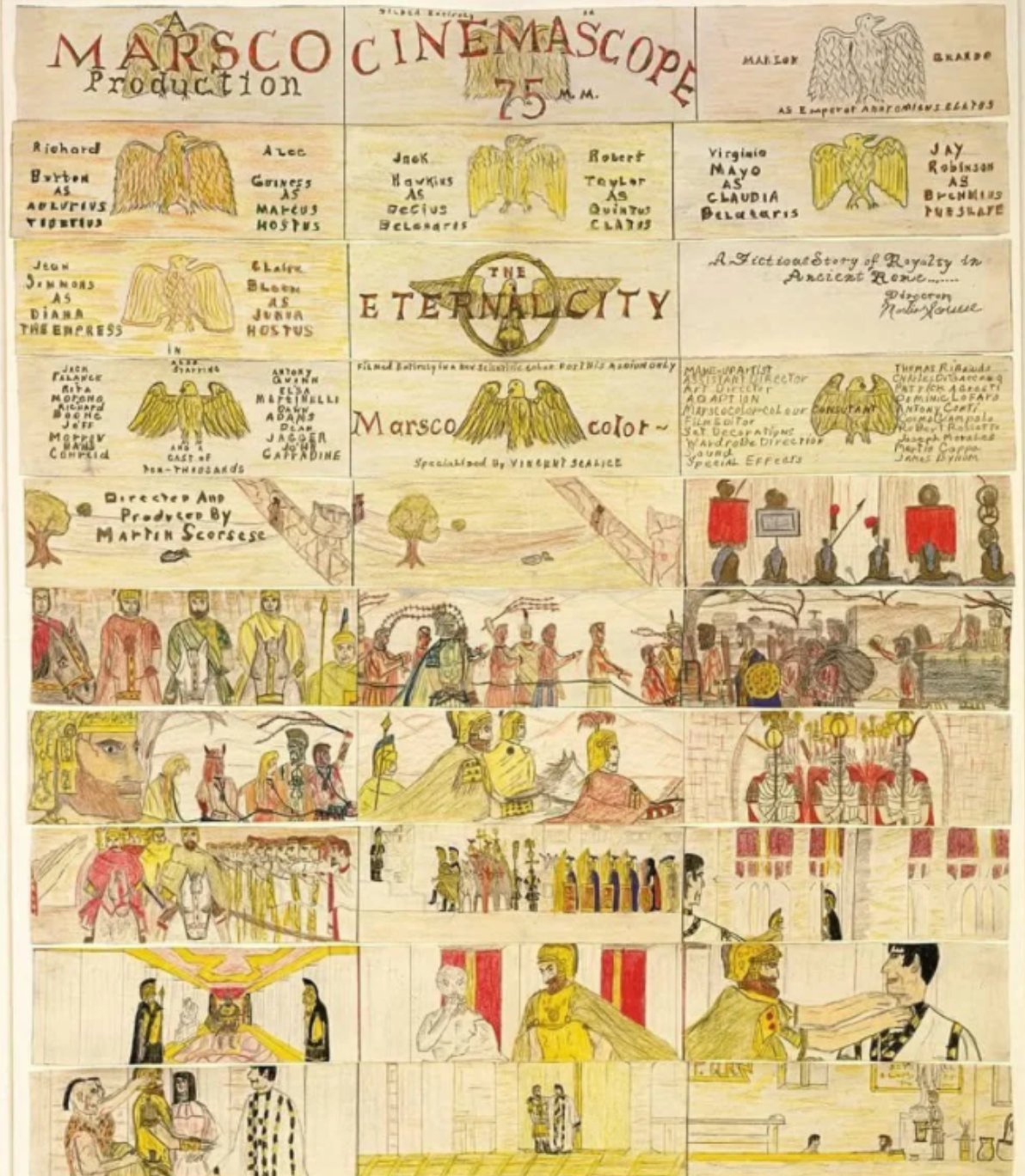
Storyboards were almost the only way to visualize editing before shooting, and even a small correction could mean redoing an entire sheet. Spending a week on a single scene was considered normal. Some filmmakers displayed remarkable talent from a very young age. Martin Scorsese, for example, drew a full storyboard of Rome at the age of 11, demonstrating an early mastery of visual narrative and a deep instinct for cinematic composition that would define his career decades later.
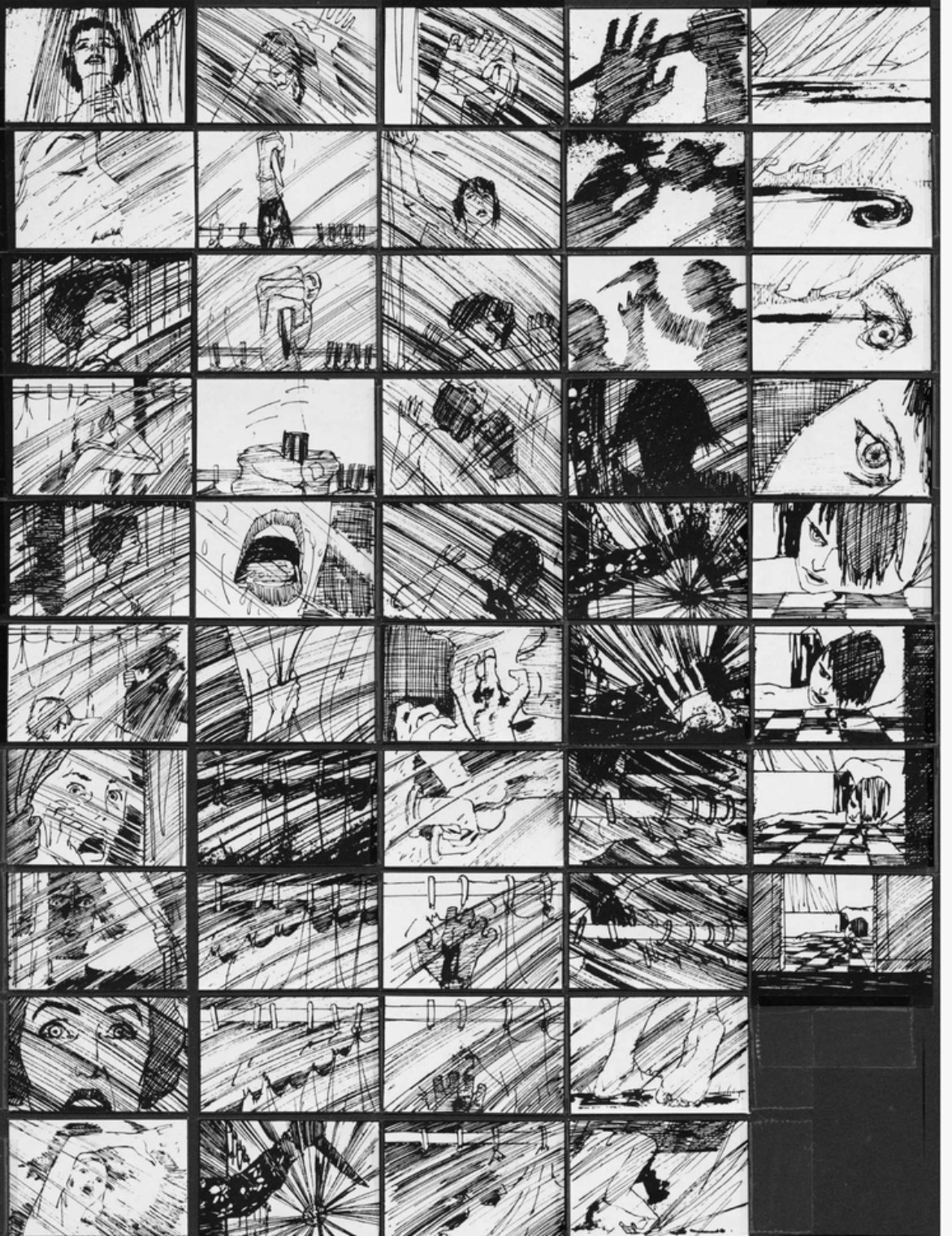
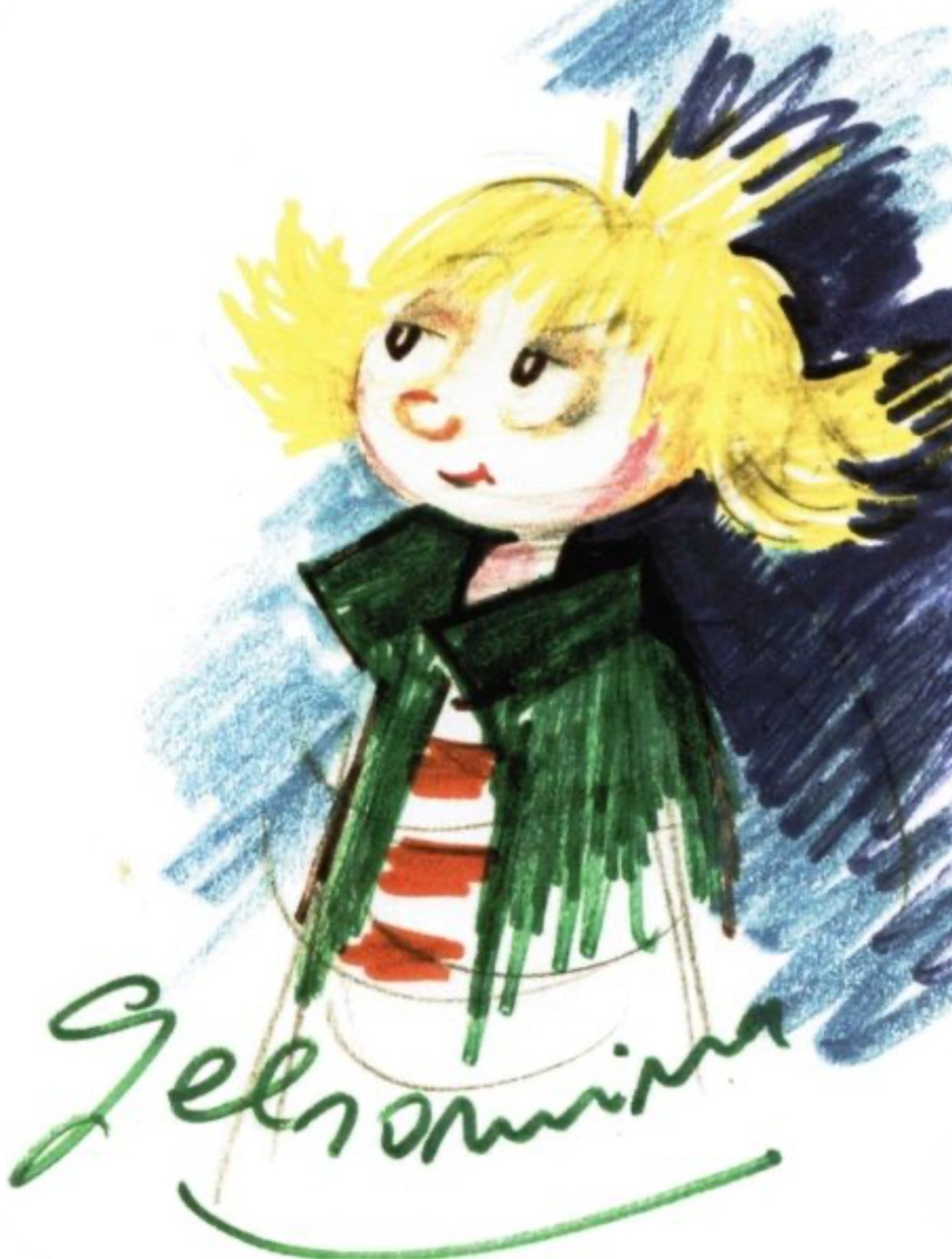
Directors who could draw used their skills to exercise precise control over visual composition. Alfred Hitchcock, for instance, created detailed sketches of his scenes to anticipate camera movement and editing effects long before filming. Federico Fellini drew colorful, painterly storyboards to convey the mood and emotions of future scenes. Starting in the 1970s and 1980s, Steven Spielberg also produced sketches for dynamic scenes to visualize camera motion and the rhythm of action. Not all directors were skilled artists. David Fincher in the 1980s and 1990s rarely drew but actively used photographs, screenshots, and collages to visualize scenes.
Christopher Nolan in the 2000s relies on digital tools and detailed verbal instructions, while Quentin Tarantino and Guy Ritchie visualize scenes mentally or through reference images. In such cases, the storyboard ceased to be a personal tool of control and became a communication medium among the director, cinematographer, and producer.
From the late 1990s and especially during the 2000s, storyboarding increasingly went digital. Graphic tablets, Photoshop, PowerPoint, and specialized storyboard software accelerated the process, allowed corrections without redoing entire scenes, and made it easier to present options to clients. Yet limitations remained: generating new ideas still required time, and the quality of visuals depended on the artist’s skills.
Today, AI is radically changing the rules of the game. AI storyboards can produce dozens of scene variations in minutes, showing color, lighting, atmosphere, and motion before filming even begins. Whereas in the past, one had to draw first and shoot later, now the visual style, mood, and composition appear simultaneously. Changes happen instantly: adjusting a prompt produces a new version immediately. The storyboard is no longer a mere preparatory tool; it becomes a living language of visual thinking, accessible to the director, producer, client, and viewer. It evolves into a fully functional document from which teasers, presentations, and tests of visual solutions can be derived.
The storyboard is no longer a mere preparatory tool; it becomes a living language of visual thinking.
Despite technological advances, modern storyboarding faces several challenges. Time and resources remain critical: a quality storyboard still requires a well-thought-out concept, visual literacy, and time for adjustments. AI can quickly generate frames and suggest style and color, but it cannot fully convey the subtle emotional or dramatic nuances that a human artist or director can intuitively embed. Teams may interpret AI-generated images differently, requiring additional clarification.

Furthermore, even a perfectly generated AI storyboard may encounter technical limitations related to cameras, lighting, or set constraints. Complex scenes still demand human input.
We are currently developing a platform that allows directors and artists of any level — even those who cannot draw, or those who want to sketch faster — to explore and bring their scenes to life. We face these challenges every day and understand how important it is for a director to have an intimate space for drawing, refining, and reworking ideas.
Over the past century, storyboarding has evolved from pencil sketches to digital and AI-assisted tools. This evolution reflects not only technical progress but also a transformation in the very way we think visually about cinema. Pencil and paper remain part of our heritage, but AI opens new horizons where each scene can be explored, adjusted, and brought to life simultaneously. Today, storytelling and visualization happen as a single, rapid, flexible, and inspiring process.

Originally published on LinkedIn, 25.09.2025