
We Can Generate Anything. Except Necessity
01From Limitation to Abundance
I often find myself thinking about the way my grandmother used to draw: she had no choice of tools, she worked with a simple black pen because it was the most accessible option, and over time that limitation gradually became her style, not something she designed or selected, but something that emerged naturally from the conditions she lived in, and in that, it seems to me, lies an important starting point for understanding how a visual language is formed.
She was not searching for a style and had no intention of constructing one, because that was never the task, and for that very reason it appeared as a consequence of repetition, as a form that settled over time, becoming recognizable not through intention, but through necessity.
If we step back from this personal memory, it becomes clear that for a long time in both art and cinema, limitations were not experienced as obstacles but as conditions within which expression could take shape, because the lack of tools did not diminish the result but instead made each decision more precise and more deliberate, and it was within this process that form emerged, as Orson Welles once observed when he noted that the absence of limitations becomes a problem for art.
Later, a different phase took hold, one shaped by industrial production, where visual quality became the result of complex collaboration, requiring resources, time, and expertise, and within that system beauty began to function as a signal, allowing the viewer to immediately recognize a certain level of production, because behind it stood effort and experience, and for that reason it carried a sense of persuasion.
Today, however, we find ourselves in a third phase in which that logic gradually stops working, because the tools have become accessible, visual solutions are no longer rare, and style is increasingly selected rather than developed, and as a result the category of “beautiful” loses its exclusivity and, along with it, its ability to function as proof.
02Why Beauty No Longer Persuades
What is important about this shift is that it does not reflect a decline in image quality, but rather a change in our relationship to it, because once we understand how visual form is constructed, we no longer read it as evidence of effort or intention, and as a result beauty ceases to communicate anything meaningful about its origin.
In place of that former trust in form, another level of perception begins to emerge, in which the viewer, consciously or not, starts asking not whether the image meets aesthetic expectations, but why it exists at all and what determined its selection, and within this shift it becomes apparent that not every visually accomplished image carries an internal necessity.
This becomes particularly evident in cinema, where the ability to instantly visualize scenes through AI creates a new condition in which decisions are made on the basis of what already appears convincing, even though that visual persuasiveness no longer guarantees meaning, and in this way accessibility begins to replace necessity.
Under these conditions, what becomes decisive is no longer the image itself, but point of view understood as a system of selection and rejection, as the ability to sustain a sequence of decisions that holds together internally, because in a world where almost any image can be produced, what matters is not the act of creation, but the reason why this particular version is chosen.
This, in turn, reshapes the role of the director, who is defined less and less as a source of images and more as someone capable of maintaining a line of meaning, distinguishing between what is essential and what is incidental, and working not with scarcity, but with excess.
03Real and Constructed Imperfection
At the same time, another important line of thinking emerges, related to the re-evaluation of imperfection, because in a situation where technical perfection is easily achieved, there is a growing interest in what appears imperfect, yet quite quickly this too becomes a reproducible aesthetic strategy.
A form of imperfection appears that is intentionally constructed as part of visual language, something that can be adjusted and repeated just like any other parameter, and while there is nothing inherently problematic about this as a technique, it becomes important to recognize that in such cases we are dealing with the reproduction of signs rather than the result of a process.
This is precisely where the distinction highlighted by Wabi-sabi becomes essential, as it proposes understanding imperfection not as an effect, but as something that emerges through lived conditions, where value is tied not to the deliberate disruption of form, but to the way form is shaped over time by circumstances.
In this sense, imperfection as a constructed device and imperfection as the outcome of a process differ fundamentally in nature, because in the first case it is selected from available options, while in the second it arises from the internal logic of the work itself, and this distinction is becoming increasingly perceptible.
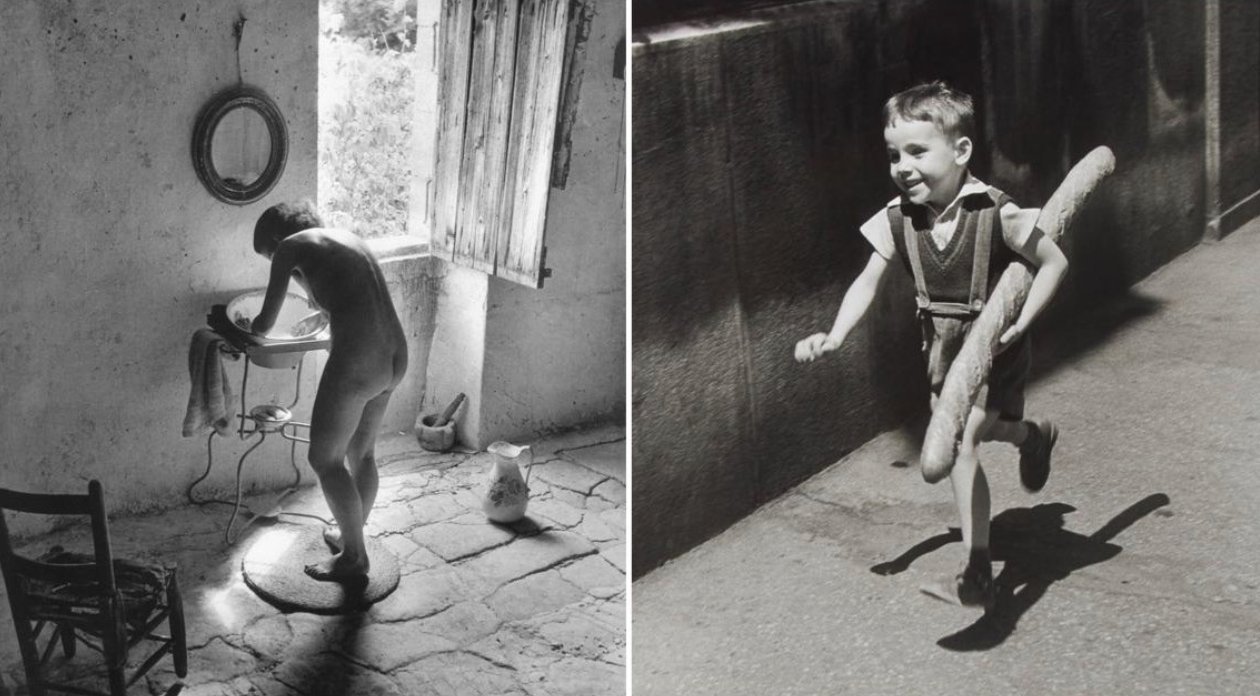
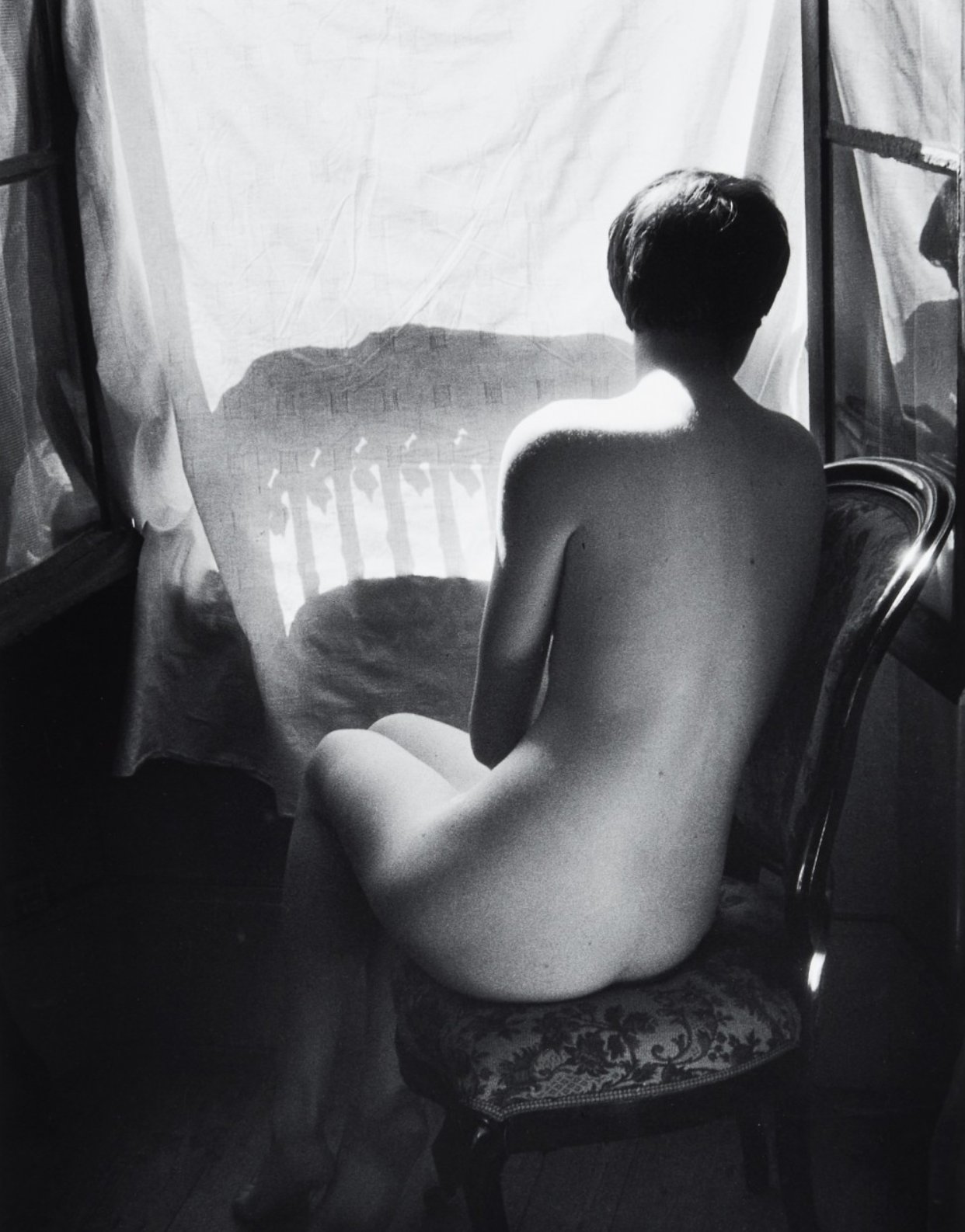
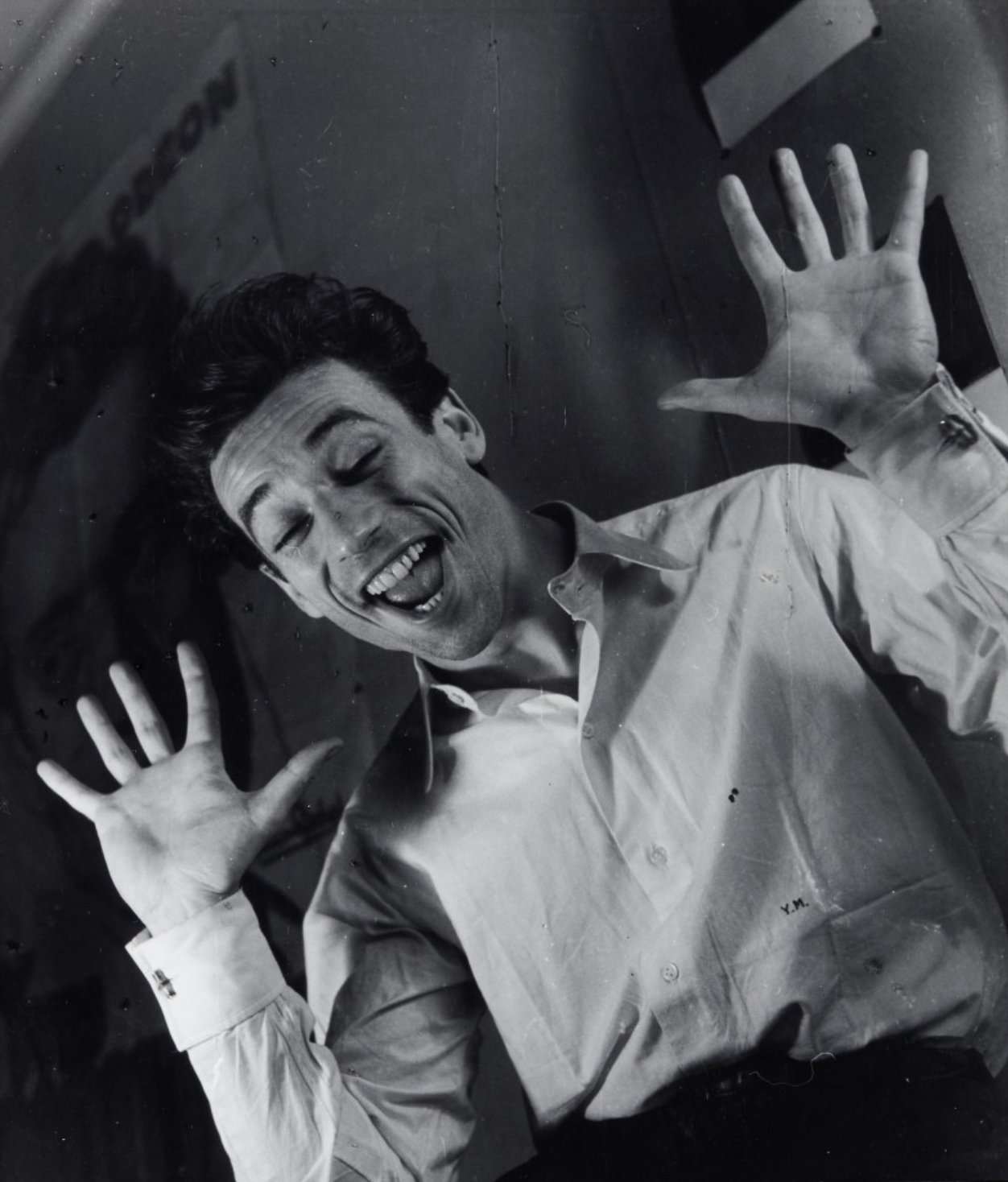
On a personal level, I notice that even with access to an almost unlimited set of tools, I continue to return to black-and-white expressive form, because within it I still feel a certain cinematic quality, one that is connected not simply to aesthetics, but to a way of seeing shaped through experience, whether through developing photographs under an infrared lamp with my grandfather or through visual language encountered in the work of Robert Doisneau and Willy Ronis, as well as in the tradition of the Leningrad documentary school.
As a result, it becomes increasingly clear that the key distinction today does not lie between the perfect and the imperfect, but between what emerges from lived choice and experience, and what is assembled from available options, and it is precisely within this difference that a new kind of sensitivity begins to form.
In practical terms, this means that evaluating an image can no longer rely solely on its aesthetic qualities, but requires answering a more fundamental question: why does this exist, and would anything be lost if it disappeared, because if the answer is no, then beauty alone is no longer sufficient.
And perhaps the further development of visual culture will not be driven by increasing technical perfection or by ever more sophisticated simulations of imperfection, but rather by a return to those aspects that resist automation, including pause, risk, sequences of decisions, and that fragile connection between perception and reality in which imperfection ceases to function as an effect and instead becomes a form of authenticity and, ultimately, a source of a different kind of beauty.

Originally published on LinkedIn, 10.04.2026